


Pricing Is an Identity Issue, Not a Math Issue
By
Elicia Crook
Give yourself the credit you deserve when considering a price increase.
Areigna Preston practiced massage for 15 years without a serious incident—until last year. In August 2017, a drunk driver crashed into the front corner of her rented office building in Bluefield, West Virginia, and destroyed her work space. The call came just before midnight and she raced to see the damage: crumbled building exterior and shattered office furniture and filing cabinets.
She winced, knowing that hours earlier she would have been there, and she could have been seriously injured—or worse. "Literally, if he had veered a foot in either direction, I can't imagine the devastation," Preston says. She was also relieved she had added Associated Bodywork & Massage Professionals' Business Personal Property (BPP) insurance coverage to her annual membership. "I thank my lucky stars I had it," she says.
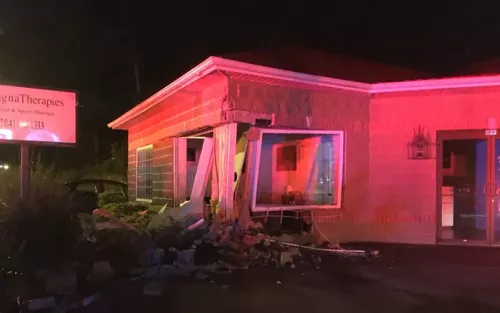
That night, Preston immediately kicked into gear. "I took pictures of everything; that was really key. The very next day I went to the local police and got a copy of the police report and submitted that with my insurance claim. That really helped speed things along."
Taking calls from members in need, such as Preston, keeps ABMP Risk Management Manager Debbie Higdon on her toes.
"We're a liaison between the member and the insurance company. We're the first point of contact when our member has a claim," Higdon explains. "We help walk them through the process so they can get all the paperwork submitted. We answer any questions they have about the process and what's going to happen along the way."
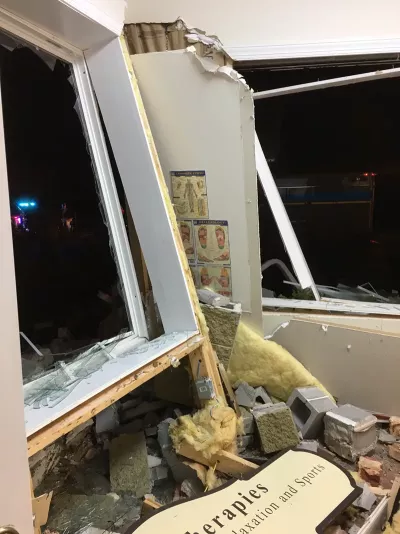
Although damage from hurricanes and forest fires grabbed national news headlines in 2017, most claims for ABMP members involve miscellaneous theft and building fires, Higdon says. She cites a litany of incidences that include fires and associated smoke damage, and pipes breaking and flooding an office space, both of which can shut down a practice for an indefinite amount of time. One of the all-too-common occurrences is fire when sheets and towels combust in the dryer because they're saturated in massage lubricants.
"The toughest call is talking to a member who thinks they have the coverage and they don't," Higdon says. "They just assume it's part of their liability policy and it's not." The additional coverage is either $95 a year for $10,000 in property coverage, or $250 a year for $25,000 in coverage. "We equate this BPP coverage to renter's insurance where they need a policy that covers their contents."
Talking shop with Higdon brings a real awakening about the kinds of catastrophes that can—and do—happen. But after 24 years with ABMP, problem-solving is second nature to her.
"I know it's upsetting when you have a claim. You want to know you have somebody to support you and help you start the claims process. And that's what we're here for."

Because Preston was so organized, the claims process went quickly, Higdon says. "It's so important to pay attention to the details ahead of a loss and then follow directions in filing a claim."
Time was of the essence for Preston because she knew that if she wasn't working, she wasn't earning. In about six weeks, Preston was reimbursed for her losses. "I'm extremely grateful for how quick the turnaround was and how understanding and helpful everybody at
ABMP was," she says. "In today's world, there are so many insurance companies out there, and it's hard to know until you have an experience like this whether your insurance company is a good one.
"When I originally signed up with ABMP, I did a lot of comparisons with AMTA and a couple of the other companies. Across the board, people steered me toward ABMP because of their customer service."
That is a source of pride for Higdon. "I enjoy the satisfaction of knowing I helped somebody through a really difficult situation," she says.
Even months after the crash, Preston is still making sense of her ordeal. "You never know what's going to happen. This is a very small town and this kind of stuff doesn't happen at all," she says. "I'm definitely very grateful I listened to everyone's advice and got my extra coverage. It's really important to have all your bases covered. This was a matter of whether or not I was able to stay in business. This was a make-or-break situation for me."
Purchase ABMP Business Personal Property coverage.
Maintain a comprehensive inventory of your business property. For each item, note the manufacturer, purchase date, quantity of product (if applicable), trade name, model and serial numbers, initial purchase price, and estimated year-to-date value.
Photograph all inventory items, including model and serial numbers, whenever possible, and keep those images safely stored. Quality color photographs are important because they represent the true quality, appearance, and size of your items.
Retain sales receipts and/or credit card statements for your business property. Keep those receipts/statements safely stored.
If you have expensive items that don't have model/serial numbers, consider having your phone number engraved on them in case of theft.
If you're retaining hard copies, make sure you have two sets that are stored in separate locations for safety.
If a loss occurs, make sure you immediately photograph your business premises, and promptly report theft or damage to the police. Then, fill out the appropriate ABMP claim form, attach your police report (if applicable) and inventory documentation to support your claim of loss, and promptly send your claim to ABMP Risk Management, who will immediately submit the claim to the insurance carrier.
Give yourself the credit you deserve when considering a price increase.
Selling products can help support client outcomes even after they leave your treatment room and can provide a profit boost for your practice.
Through ABMP, members now have access to a streamlined, modern solution designed to help clients find and choose you more easily.
Receiving bodywork provides an important reminder of what to do (and what not to do) in your practice.