

Fascia: The Pericardium-Diaphragm Connection
Understanding how the pericardium relates to breathing can in turn help clients relax into their massage session.
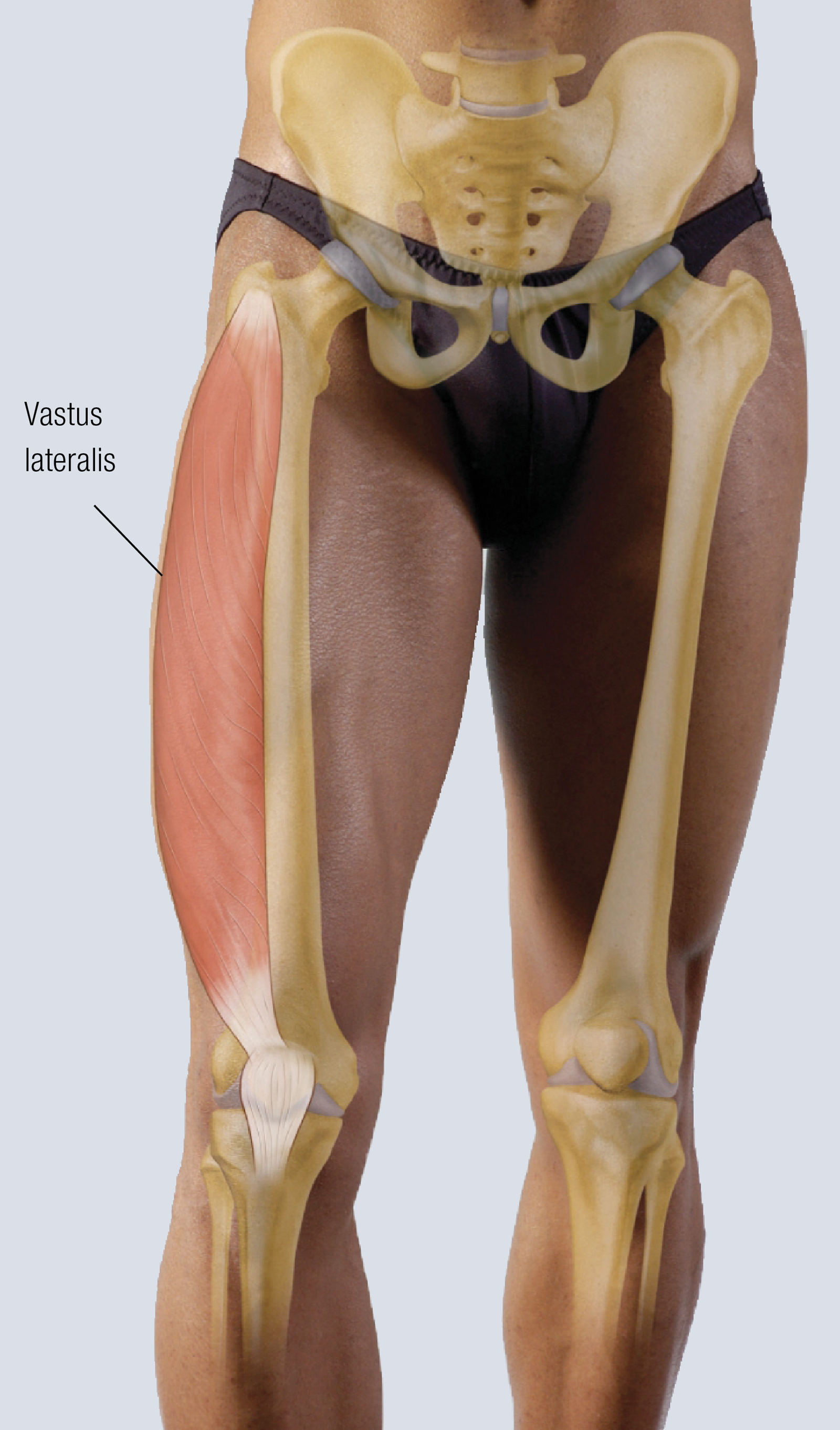
Vastus lateralis is one of four quadriceps muscles located on the front of the thigh. Its fibers lie deep to the iliotibial band and wrap around the outside of the thigh. The thick, oblique fibers of the vastus lateralis originate on the lateral linea aspera, a vertical ridge on the posterior femur, then join the rest of the quadriceps muscles anteriorly and distally at the patellar tendon. As the name implies, it is the most lateral of the four quadriceps muscles, as well as the largest.
Vastus lateralis, vastus intermedius, and vastus medialis have the single function of extending the knee. These muscles work in conjunction with the gluteus maximus, hamstrings, and gastrocnemius during squatting motions. The rectus femoris, the fourth quadriceps muscle, is also recruited for this action, but more so when hip flexion is combined with knee extension, such as when swinging the leg forward during gait. Jumping, lifting, standing, and powerful kicking motions all require strong, well-balanced quadriceps muscles.
Unfortunately, the vastus lateralis is often overdeveloped compared to the vastus medialis. This imbalance can lead to improper tracking of the patella as the knee flexes and extends. Specifically, the patella can be pulled laterally in the femoral groove, causing pain and wear in the articular cartilage. If severe imbalance is present, the patella can be pulled out of the groove entirely, causing patellar dislocation. This is more common in individuals who have a high quadriceps (or Q) angle. This angle measures bend in the patellar tendon and is determined by the way the femur sits atop the tibia and the location of the tibial tuberosity. Normal Q angle is 5–15 degrees and tends to be higher in females compared to males, due to a wider pelvis.
In addition to strength imbalances between the vastus lateralis and medialis, it is common for the iliotibial band to become adhered to the myofascia of the underlying vastus lateralis. This may contribute to patellar tracking problems and subsequent chronic and acute knee pain. Adhesion between the iliotibial band and the vastus lateralis can also contribute to inflammatory conditions associated with friction over the greater trochanter and lateral condyle of the femur. Bodywork techniques that separate the fascial layers and elongate shortened muscles are essential to the treatment and prevention of these conditions.
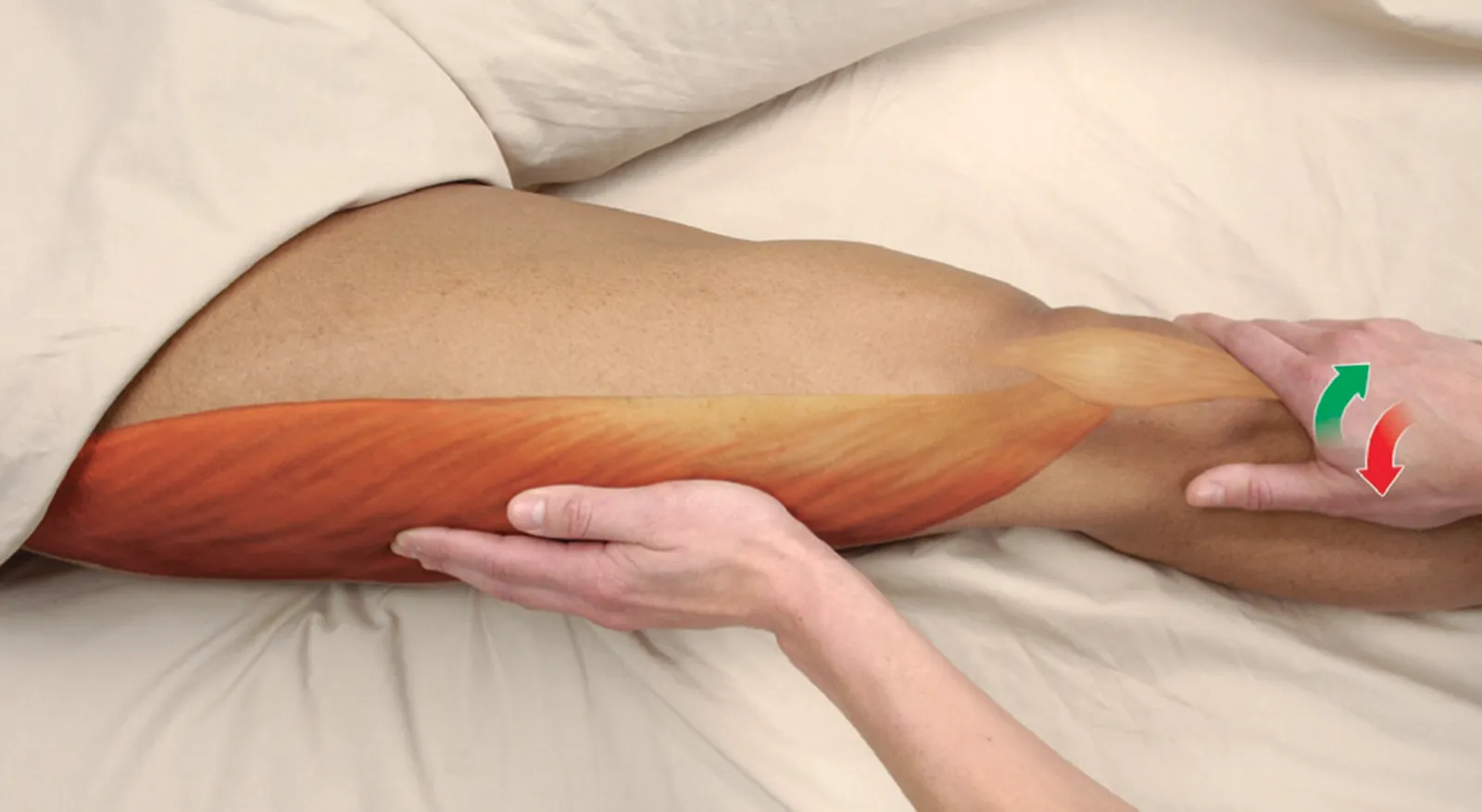
Positioning: client supine with knee slightly flexed.
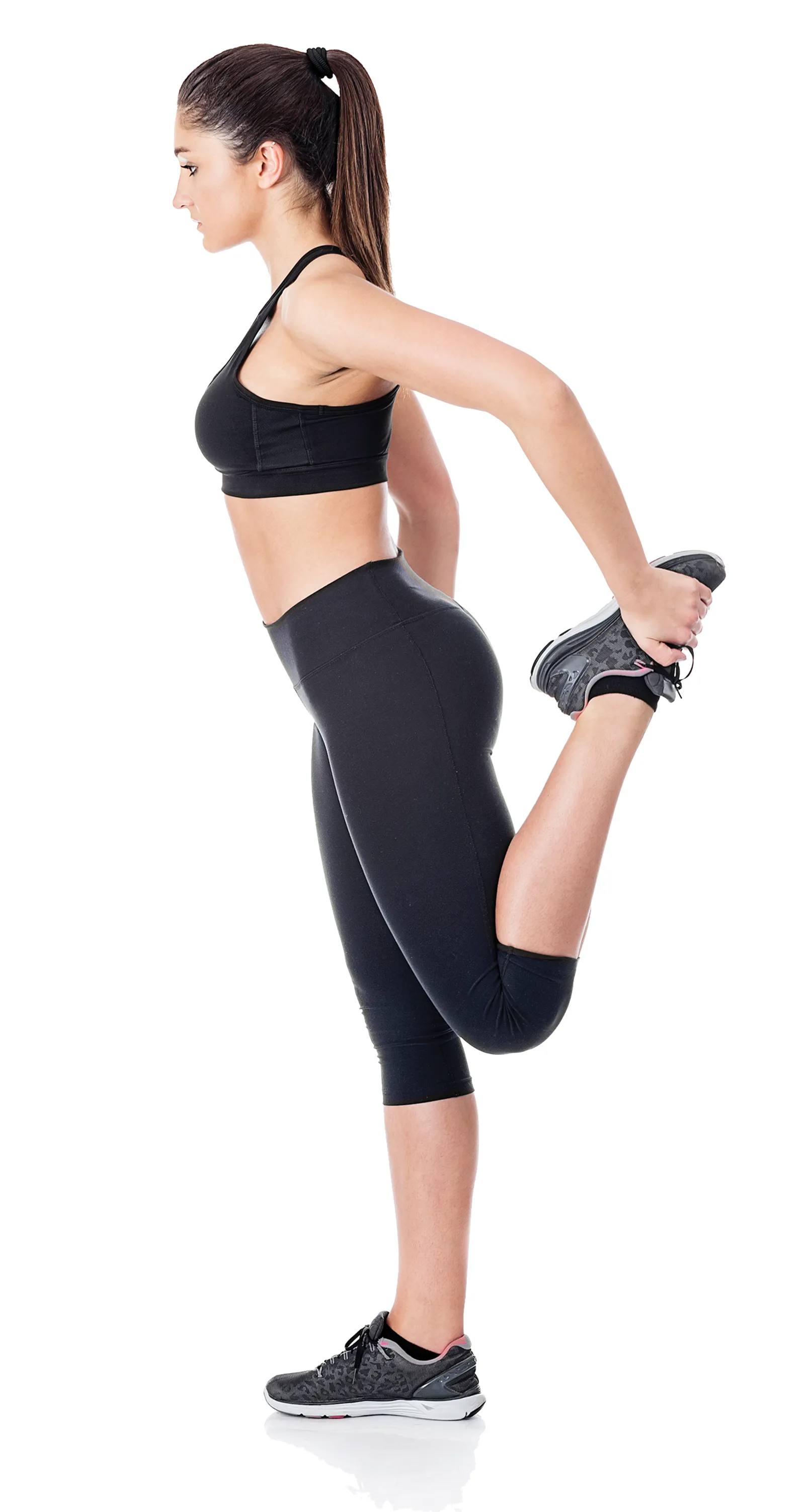
Editor’s note: The Client Homework element in Functional Anatomy is intended as a take-home resource for clients experiencing issues with the profiled muscle. The stretches identified in Functional Anatomy should not be performed within massage sessions or progressed by massage therapists, in order to comply with state laws and maintain scope of practice.
Understanding how the pericardium relates to breathing can in turn help clients relax into their massage session.
Superficial fascia may not get the same attention as deep fascia, but it plays an extremely important role in the organization of tissues and the structure of the body.
Understanding tendons—their shapes, lengths, and organization—improves an MT’s touch vocabulary and facilitates a more skilled touch.
While the neck is a bridge, a pathway, the position of the neck and head can also indicate a multitude of other things happening beneath the surface.